Title: Eco-Friendly Invention: Reusable Food Wraps made from Fabric and Beeswax
In today’s world, where environmental sustainability is a hot topic, finding ways to reduce waste and live in a more eco-friendly manner is crucial. One innovative invention that has gained popularity in recent years is the reusable food wrap made from fabric and beeswax. In this article, we will explore why these wraps are a great alternative to traditional plastic wrap, how to create your own, and the benefits of making the switch.
1. Why Use Reusable Food Wraps?
Traditional plastic wrap is a convenient way to cover leftovers or wrap up sandwiches, but it has a significant environmental impact. Plastic wrap is made from non-biodegradable materials, which means that once it is discarded, it sits in landfills for hundreds of years. Reusable food wraps, on the other hand, can be used over and over again, reducing the amount of waste we produce and helping to protect the environment.
2. How to Create Your Own Reusable Food Wraps
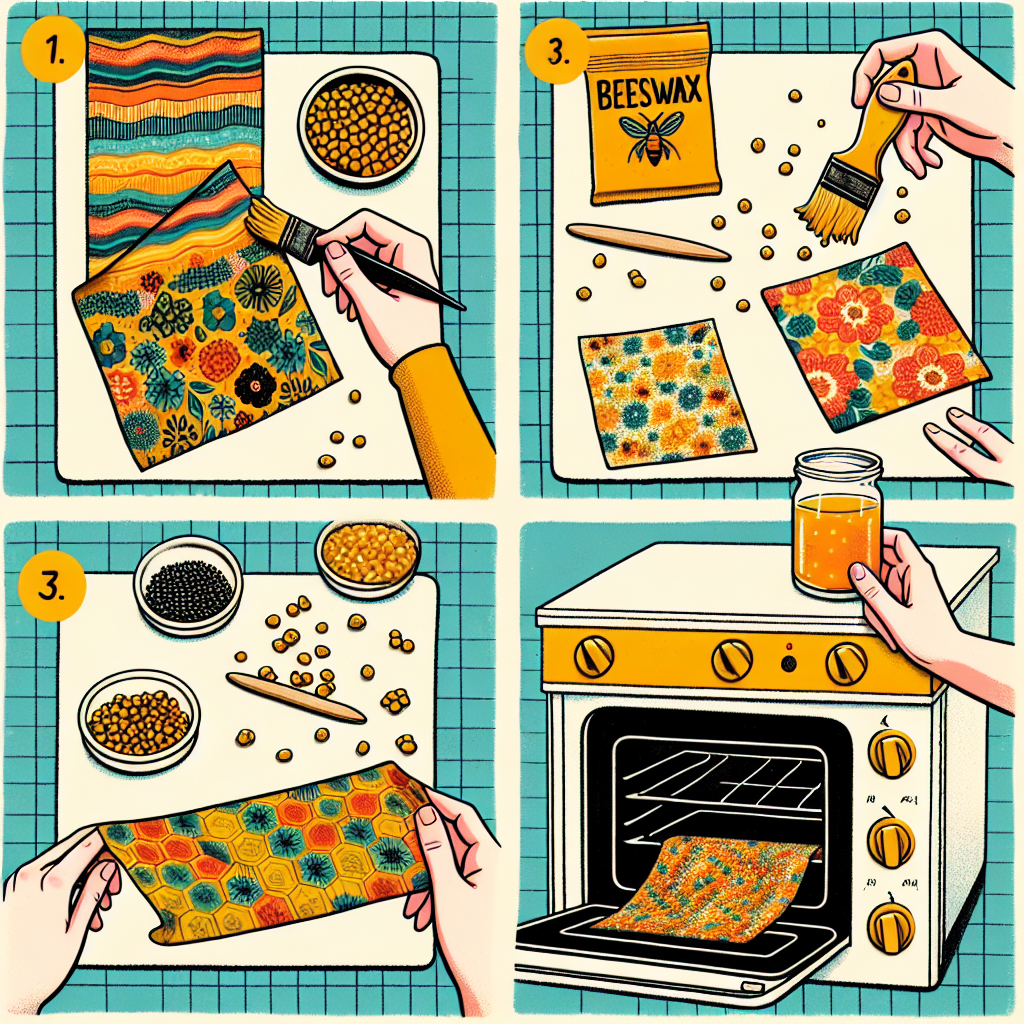
Making your own reusable food wraps is a fun and easy DIY project that anyone can do. To create your own wraps, you will need fabric, beeswax, pine resin, and jojoba oil. Start by cutting your fabric into squares or rectangles of various sizes, depending on your needs. Next, mix together the beeswax, pine resin, and jojoba oil in a double boiler until they are melted and well combined. Brush the mixture onto the fabric, making sure to saturate it evenly. Once the fabric is coated, place it on a baking sheet and bake it in the oven until the wax is melted and absorbed. Let the wraps cool and then use them to cover food or wrap up sandwiches.
3. Benefits of Using Reusable Food Wraps
There are numerous benefits to using reusable food wraps. Not only are they environmentally friendly, but they are also cost-effective in the long run. With proper care, reusable food wraps can last for up to a year or more, making them a smart investment. Additionally, the beeswax and jojoba oil used in the wraps have natural antibacterial properties, helping to keep your food fresh for longer. Reusable food wraps are also versatile and can be used to cover bowls, wrap up cheese, or even create pouches for snacks on the go.
4. How to Care for Your Reusable Food Wraps
To ensure that your reusable food wraps last as long as possible, it is important to care for them properly. After each use, simply wipe them clean with a damp cloth or rinse them under cold water. Avoid using hot water or harsh scrubbing, as this can cause the wax to wear off. Store your wraps in a cool, dry place away from direct sunlight. When your wraps start to show signs of wear, you can reapply the wax mixture to revive them and extend their lifespan.
5. Where to Purchase Reusable Food Wraps
If you’re not up for making your own reusable food wraps, there are plenty of retailers that sell them online and in stores. Look for wraps made from organic cotton fabric and sustainably sourced beeswax for the best quality. Many companies also offer wraps in a variety of sizes and patterns, so you can find the perfect wrap for your needs.
6. Frequently Asked Questions
Q: Are reusable food wraps safe to use with all types of food?
A: Yes, reusable food wraps are safe to use with a wide range of foods, including fruits, vegetables, cheese, and sandwiches. However, it is not recommended to use them with raw meat or hot foods, as the heat can cause the wax to melt.
In conclusion, reusable food wraps made from fabric and beeswax are a simple yet effective way to reduce waste and live a more sustainable lifestyle. By making the switch from traditional plastic wrap to reusable wraps, you can make a positive impact on the environment and enjoy the numerous benefits they offer. Whether you choose to make your own or purchase them from a retailer, reusable food wraps are a smart choice for anyone looking to reduce their carbon footprint and live more consciously.